Garage door repair cost depends on the failed part, the damage, the door size, access, and repair urgency. Spring, cable, opener, track, and panel problems all need different work. A careful check finds the real cause, checks for safety risks, and helps you understand the repair before it starts.
A broken garage door can trap a car inside or leave a home, shop, or storage area open. That can feel stressful. The good news is that many problems become clear when a trained technician checks the full system.
Murray Garage Door Repair helps homeowners and property owners understand their options. The goal is not to guess from a sound or picture. The goal is to find the failed part, check nearby parts, and explain the work in plain language.
Table of Contents
- What factors decide the cost of a garage door repair?
- How much does a broken garage door spring affect repair cost?
- What makes garage door cable repairs more or less expensive?
- How does a garage door opener problem affect the repair cost?
- How do the door, track, and hardware affect repair cost?
- Does emergency or same-day garage door service cost more?
- How can you understand and compare a garage door repair quote?
- Frequently Asked Questions
- Key takeaways
- Conclusion
What factors decide the cost of a garage door repair?
The main factors are the failed part, the damage, and the work needed to reach it. A remote or sensor issue is different from a broken spring, bent track, or damaged panel. A quote should match the real problem, not only the first symptom.
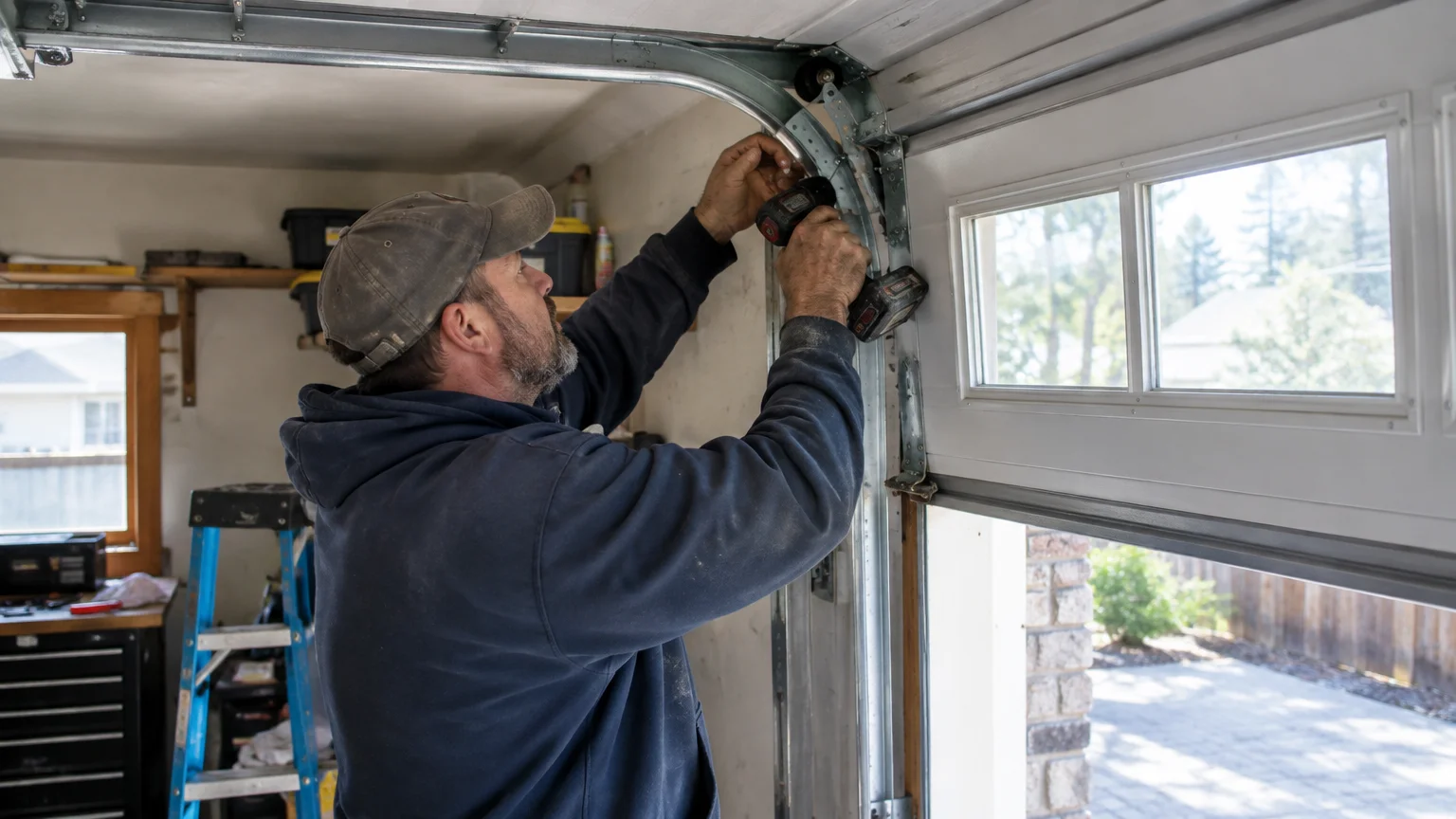
A technician may check the door, springs, cables, rollers, hinges, tracks, opener, safety sensors, and wall supports. This matters because one failed part can strain another. A door that feels too heavy may have a spring problem. A loose cable may also damage a drum or roller.
How does damage affect the quote?
Damage in one small area may need less work than damage across the system. A snapped cable may be easy to find. The job becomes more involved if that cable twists the door or pulls it from the track.
The door’s condition also matters. Rust, worn bearings, loose screws, bent supports, and cracked panels can change the repair plan. A safe garage door repair must address the cause, not just the part that looks broken.
Why do access and safety matter?
Some garage doors are easy to reach. Others sit behind stored items, parked cars, tight walls, or business equipment. Limited space can make inspection and safe part handling harder.
Spring systems, lift cables, and bottom brackets hold strong force. A trained technician needs the right tools for this work. Homeowners should not adjust, remove, or replace these parts. A door can fall, and parts can move without warning.
How much does a broken garage door spring affect repair cost?
A broken garage door spring often has a major effect on repair cost because springs carry much of the door’s weight. The door may become very heavy, refuse to lift, or close unevenly. The final quote depends on the spring type, door design, worn parts, and safe access.
A torsion spring sits above the door and turns as the door moves. Extension springs usually sit along the upper tracks and stretch during use. These systems work in different ways, so the new spring must match the door and its lift system.
What is the difference between torsion and extension springs?
Torsion and extension springs cannot simply be swapped. The right part depends on the door’s weight, size, hardware, and original design. A technician may also check whether the door uses one spring or more than one.
A spring may fail from age, rust, metal wear, or repeated use. When one spring breaks, other parts may have already faced extra strain. This is why a full check is better than replacing only the most obvious part.
When do related parts need attention?
A spring check may include cables, drums, bearings, brackets, rollers, and the opener. The opener can suffer when it tries to lift a door that is too heavy or out of balance. Loose supports or worn rollers can also make the door unsafe or loud.
Spring replacement is dangerous work. Stored force can release with great power. Homeowners can keep people away from a damaged door and stop using it. Spring removal and adjustment should be done by a trained professional.
What makes garage door cable repairs more or less expensive?
Cable repair work depends on whether a cable is frayed, snapped, loose, or out of place. It also depends on whether the door stays level and whether nearby hardware is damaged. A cable problem can stop the door from lifting evenly and create a fall risk.
Lift cables connect the door with the spring and drum system. They transfer force as the door moves. A cable that slips from its drum may leave one side higher. That uneven movement can bend tracks, strain hinges, or harm rollers.
How does cable damage change the work?
A frayed cable may show wear before it breaks. A snapped cable can leave the door crooked or stuck. A cable out of line may point to a drum, spring, track, or balance problem instead of a cable problem alone.
The technician may check both sides of the door. Replacing one part without finding the cause can lead to another failure. The quote should explain whether the cable, drum, roller, bracket, or another part needs work.
Why are cable repairs unsafe for most homeowners?
Cables can stay under strong tension even when the door looks still. Bottom brackets and spring parts can move without warning. A person could suffer a cut, crush injury, or fall if the door shifts.
A homeowner can keep the area clear and avoid opening the door. It also helps to note whether the door is crooked, stuck, or making a new sound. Cable removal, adjustment, and replacement should be left to a trained person with proper tools.
How does a garage door opener problem affect the repair cost?
An opener problem may involve the motor, gears, sensors, remote, wall control, wiring, or power source. The repair choice depends on the failed part and the opener’s age and condition. A small control issue is different from a worn motor or damaged drive system.
A garage door opener is the powered unit that moves the door. A drive system carries that movement to the door. Safety sensors help stop or reverse movement when an object is in the opening. If the door will not close, a dirty or misaligned sensor may be the cause.
Which opener parts commonly fail?
Remote batteries, wall controls, wiring, sensors, and circuit parts can cause simple operating problems. A motor may hum without moving the door. Worn gears or a damaged rail may cause grinding, slipping, or repeated stops.
The door must also move freely. An opener should not try to lift a heavy, crooked, or stuck door. A technician may test the opener and then check the door balance and hardware before suggesting a repair.
When does opener repair make sense?
Repair may make sense when the opener is in good shape and one part has failed. Replacement may fit better when the unit has repeated faults, severe wear, old safety features, or damage across several parts.
The best opener depends on door weight, height, use, noise needs, ceiling space, and power. A business owner may need a system made for more frequent use. The quote should explain why repair or replacement fits the property.
How do the door, track, and hardware affect repair cost?
The door’s size, weight, material, design, and condition affect the repair plan. A single garage door may need different parts than a wide commercial-style door. Insulated sections, windows, custom hardware, and unusual layouts can also change the work.
Tracks guide the rollers as the door opens and closes. Rollers, hinges, brackets, and fasteners keep the sections lined up. If one part bends or loosens, the door may scrape, bind, shake, or leave the track.
What door features matter?
Steel, aluminum, wood, and composite doors have different weights and repair needs. A heavy door places more demand on springs, cables, rollers, and the opener. A damaged panel may be replaced without replacing the full door, but this depends on the design and matching parts.
A door with several damaged sections may need a wider review. The technician may also check insulation, window sections, seals, and support points. A worn garage door seal can let in water, air, and dirt, so it may need attention during the review.
How do tracks and hardware affect the quote?
A dirty track may need cleaning. A bent track may need repair or replacement. Rollers can wear, crack, or stop turning. Hinges can loosen or split. Brackets can pull away from the wall or frame.
Homeowners can keep tracks clear and wipe light dirt from easy-to-reach areas. They should not bend tracks, move brackets, or adjust spring hardware. These parts help control the door’s weight and movement.
Does emergency or same-day garage door service cost more?
Urgent service can affect the quote because it may require faster scheduling, after-hours access, or work around a property’s hours. The repair still depends on the failed part, damage, access, and materials. Same-day service does not make every repair alike.
Emergency help may matter when a door is stuck open, blocks a vehicle, will not secure a business, or has fallen off its track. A property owner should keep people away until the system is checked. No one should force the door open or closed.
What should homeowners ask before work begins?
A clear talk can prevent confusion. Ask what failed, whether the door is safe to use, and which parts the repair includes. Also ask whether the inspection found related damage.
Useful questions include:
- Is the door safe to operate right now?
- Which part caused the problem?
- Are nearby parts worn or damaged?
- Does the repair restore the full safety system?
- What happens if a hidden problem appears during the work?
Business owners should explain access rules, closing times, loading areas, and security needs. This helps the technician plan a safe visit without making guesses about the site.
How can you understand and compare a garage door repair quote?
A useful quote explains the problem, the repair, the parts involved, and the limits of the work. It should also say whether the door can be used safely afterward. The final cost is confirmed on a quote after the system is assessed.
Comparing quotes only by the lowest total can hide key differences. One quote may include a full safety check, while another may cover only the visible failure. A better comparison looks at the parts, work scope, warranty terms, expected result, and safety concerns.
What should a complete assessment explain?
The assessment should name the failed part in plain words. It should explain why the part failed when that cause is clear. It should also note worn hardware that could affect the repair’s life or safe use.
You should understand whether the plan involves Garage Door Spring Repair, Garage Door Cable Repair, Garage Door Opener Repair, Garage Door Off Track Repair, or another service. Clear names make it easier to compare the work.
What helps a repair last?
The right part must match the door and its lift system. Fasteners should be secure, tracks should guide the rollers, and safety sensors should work. The door should move without unusual force or scraping.
Murray Garage Door Repair helps homeowners and business owners review the problem and choose a safe next step. Local conditions, property access, and the door’s age may shape the repair plan. The final cost is confirmed on a quote after inspection.
Frequently Asked Questions
How much does fixing a garage door cost?
The amount depends on the failed part, door size, damage, access, urgency, and needed materials. A remote or sensor issue is usually a smaller repair than a spring, cable, or opener failure. Track, panel, and structural damage can change the work. The final cost is confirmed on a quote after assessment.
Who repairs garage doors near me?
A qualified local garage door repair company can inspect springs, cables, openers, tracks, and hardware. Choose one that explains the cause, checks safety parts, and gives a clear work scope. Murray Garage Door Repair serves customers and can help identify the right service.
Can a homeowner replace a garage door spring?
Most homeowners should not replace or adjust a garage door spring. Springs store strong energy and can cause severe injuries if they release. A homeowner can keep the area clear and stop using the door, but a trained professional should handle spring work.
Is it better to repair or replace a garage door opener?
Repair may fit an opener with one failed part and otherwise sound condition. Replacement may make more sense when the unit has repeated faults, major wear, or old safety features. The door itself should be checked first, since a heavy or damaged door can cause opener problems.
What should someone do when a garage door comes off its track?
People and vehicles should stay clear of the door. Do not force it, lift it, or pull it back into place. An off-track door can fall or worsen damage to cables, rollers, hinges, and tracks. A trained technician should inspect and secure the system.
Key takeaways
- The failed part is only one factor in garage door repair cost.
- Door size, weight, damage, access, and urgency also shape the quote.
- Springs, cables, and bottom brackets are dangerous parts.
- A full inspection can find related damage before work begins.
- The final cost should be confirmed on a clear quote.
Conclusion
Garage door repair cost depends on the real scope of the work. Springs, cables, openers, tracks, panels, and hardware each need different repairs. Damage, door design, access, and urgency can also change the plan.
A safe repair starts with a careful inspection. Homeowners should avoid spring and cable work, keep people away from damaged doors, and ask what the quote includes. Murray Garage Door Repair helps property owners understand the problem and choose the next safe step. Contact us today for an urgent garage door repair assessment and a clear quote.
If you are not sure what you are dealing with, it is worth having someone look at it before it turns into a bigger job. Get in touch with Murray Garage Door Repair today and we will tell you where you stand.